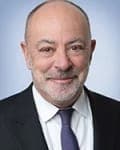
Christian Dubé
As of October 2026, Christian Dubé (Independent, MNA for La Prairie, Quebec) has 8 policy positions tracked on PolicyShift, including 1 documented stance change. Dubé's positions concern Healthcare and Economy. Dubé's most recent documented shift was on Healthcare in December 2025. Every position links to its original news source or recorded vote.
Last updated: December 11, 2025
Common questions
What is Christian Dubé's position on Healthcare?
PolicyShift has 5 recorded positions from Christian Dubé on Healthcare. The most recent was recorded December 11, 2025, sourced to a news report. See all Healthcare positions →
What is Christian Dubé's position on Economy?
PolicyShift has 3 recorded positions from Christian Dubé on Economy. The most recent was recorded November 3, 2025, sourced to a news report. See all Economy positions →
Has Christian Dubé changed positions on any issues?
Yes — 1 documented stance change across 8 tracked positions. The most recent was on Healthcare in December 2025. View the changes →
What party and riding does Christian Dubé represent?
Christian Dubé is a Independent MNA for La Prairie in Quebec.
Where does this information come from?
Every position is sourced to a news article or recorded legislature vote. How PolicyShift works →


