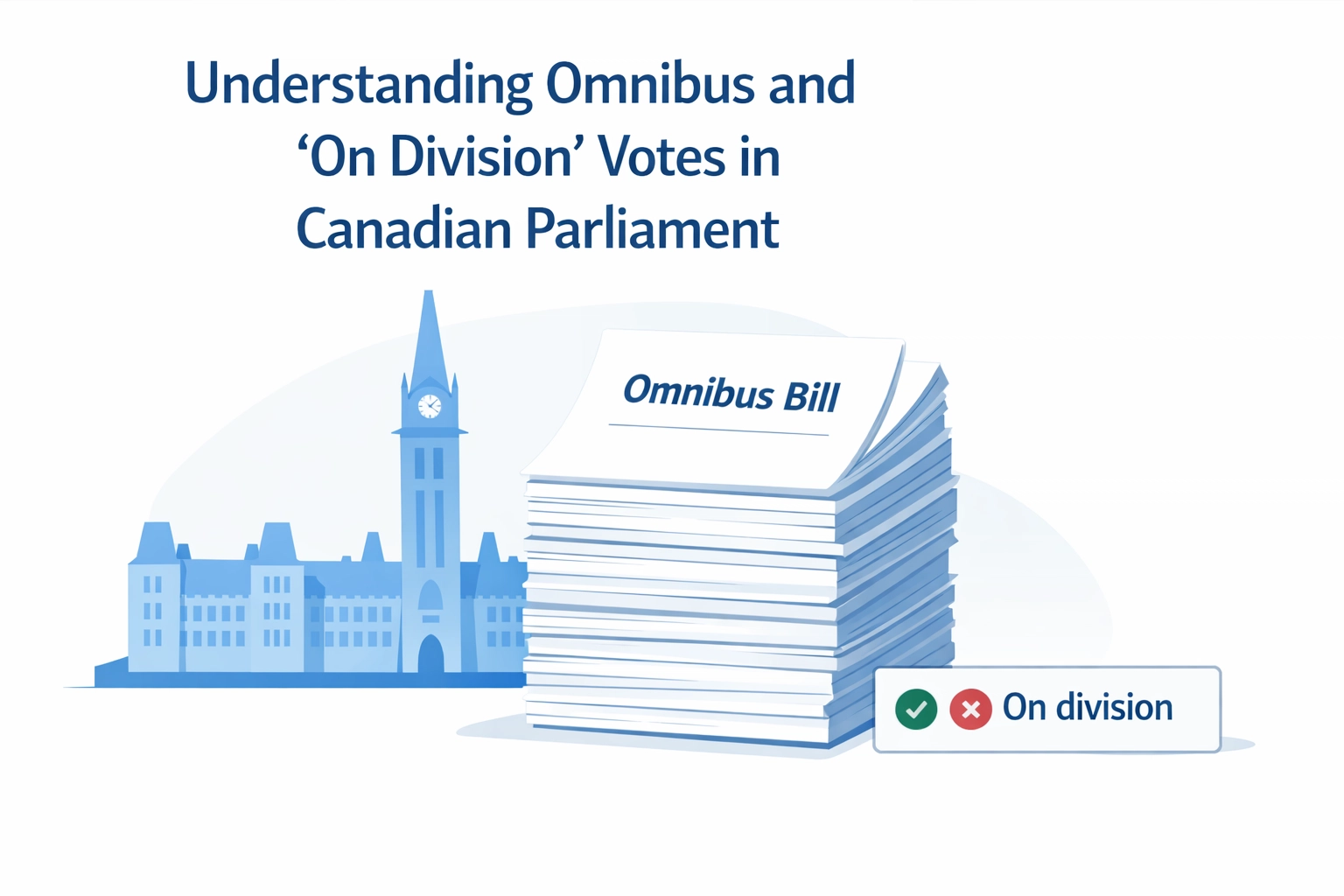
Sometimes a "yea" or "nay" vote in Parliament does not tell the whole story. Two situations often cause this confusion: omnibus bills and "on division" votes.
These methods are common in Canadian politics, but they make it very difficult for citizens to know exactly where their MP stands on specific issues.
Omnibus Bills: The Multi-Issue Bundle
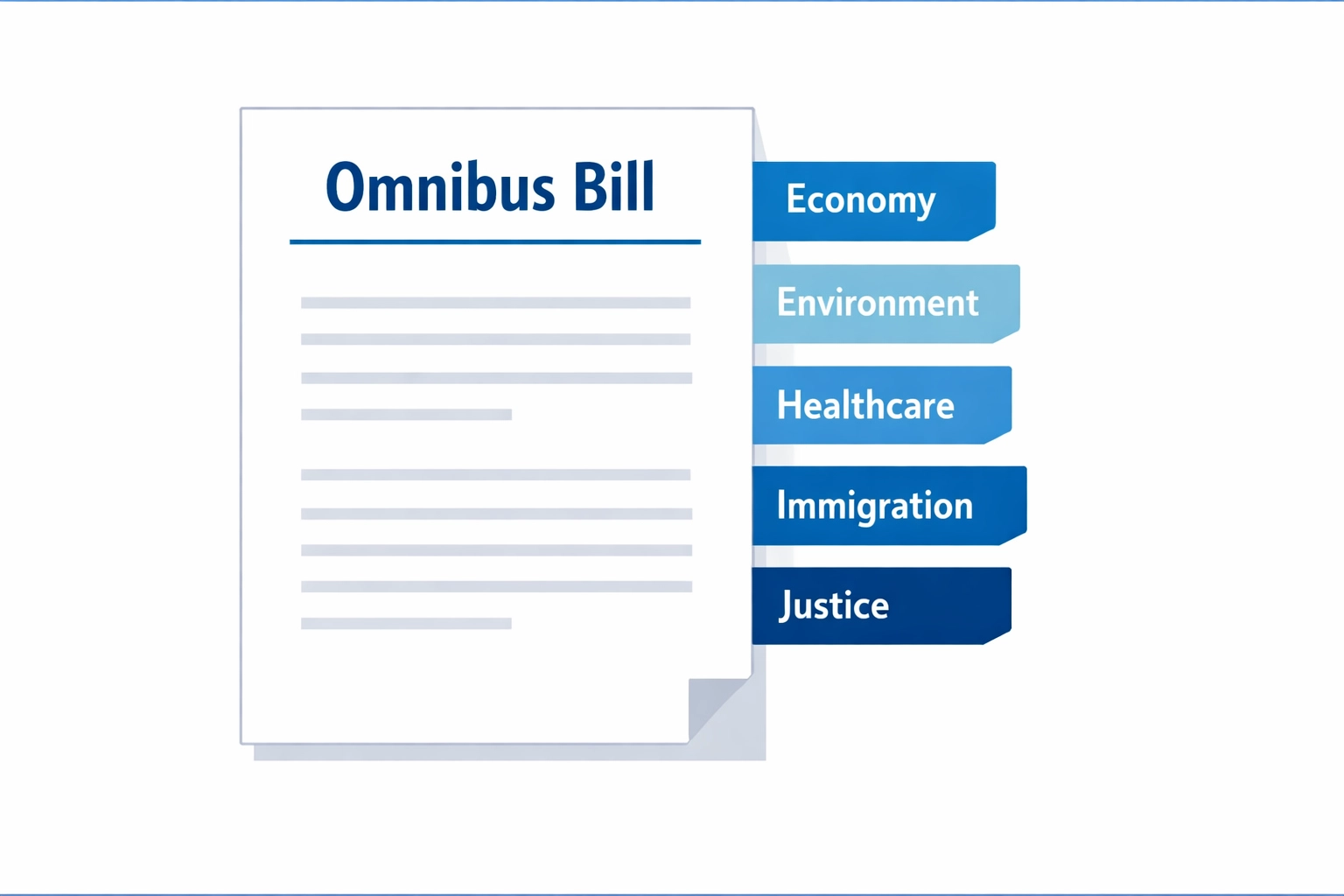
An omnibus bill is a single bill that bundles many different laws into one large package. The word "omnibus" comes from Latin and means "for everything." That is exactly what these bills do—they try to handle many different things at once.
One famous example happened in Canada in 1968-69 with the Criminal Law Amendment Act. It was 126 pages long and covered topics like gun control, abortion, and drunk driving—all in one single vote.
Governments use omnibus bills to save time or to group unpopular ideas with popular ones. For voters, this is a problem. Your MP might support 90% of a bill but hate the other 10%. However, they can only vote "yes" or "no" on the entire package. The voting record won't show which parts they actually liked.
"On Division" Votes: The Silent Pass
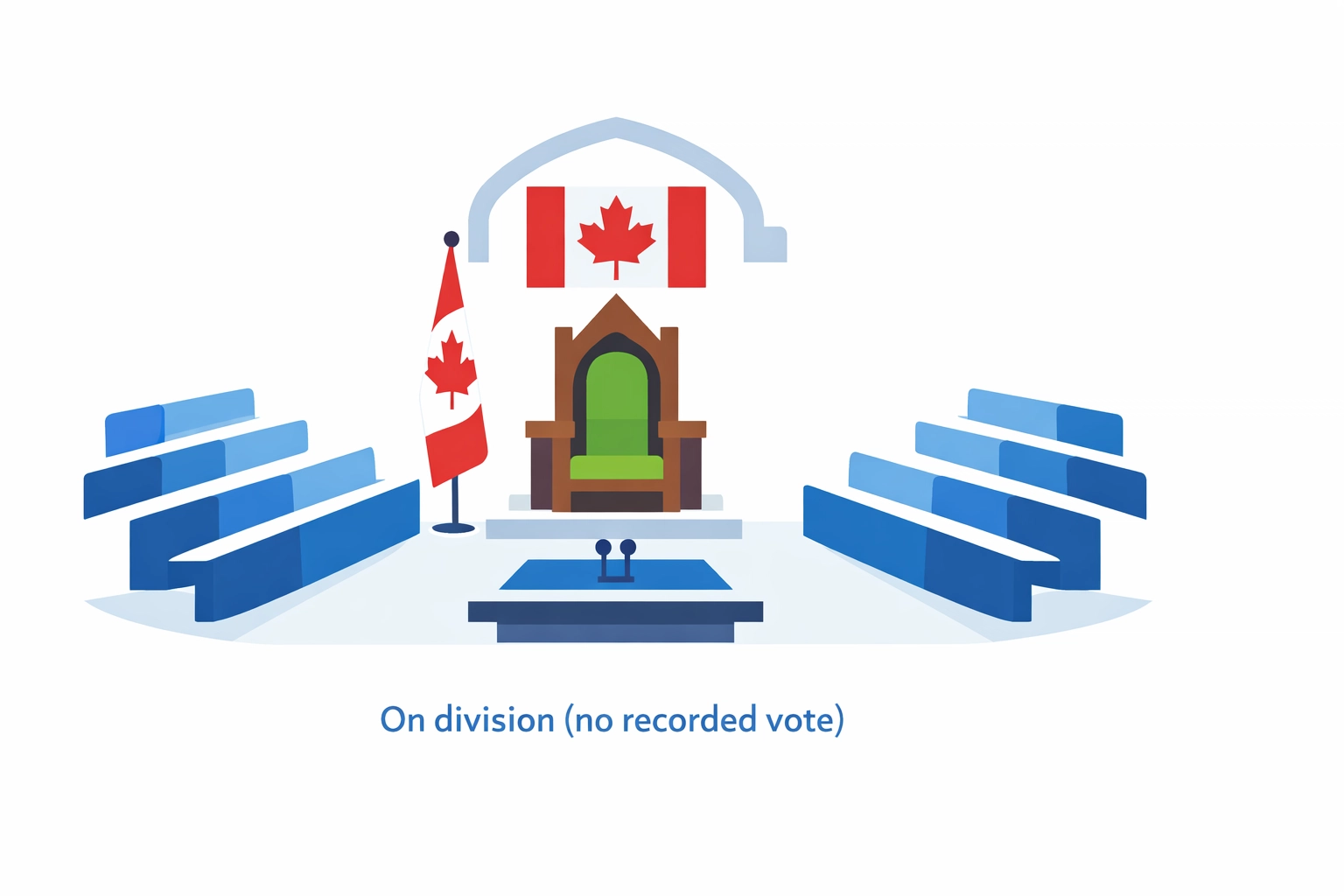
An "on division" vote happens when a bill passes without a formal recorded count of individual votes. In the House of Commons, if the Speaker asks if everyone agrees and no one demands a "recorded vote," the bill passes "on division."
This means there was some disagreement, but not enough to force every MP to put their name on the record. On PolicyShift, we assign a "yea" position to all MPs in this case because the bill passed and no one formally objected. But that doesn't mean every MP was 100% on board—it just means they didn't fight to be recorded as a "no."
The Role of Party Lines
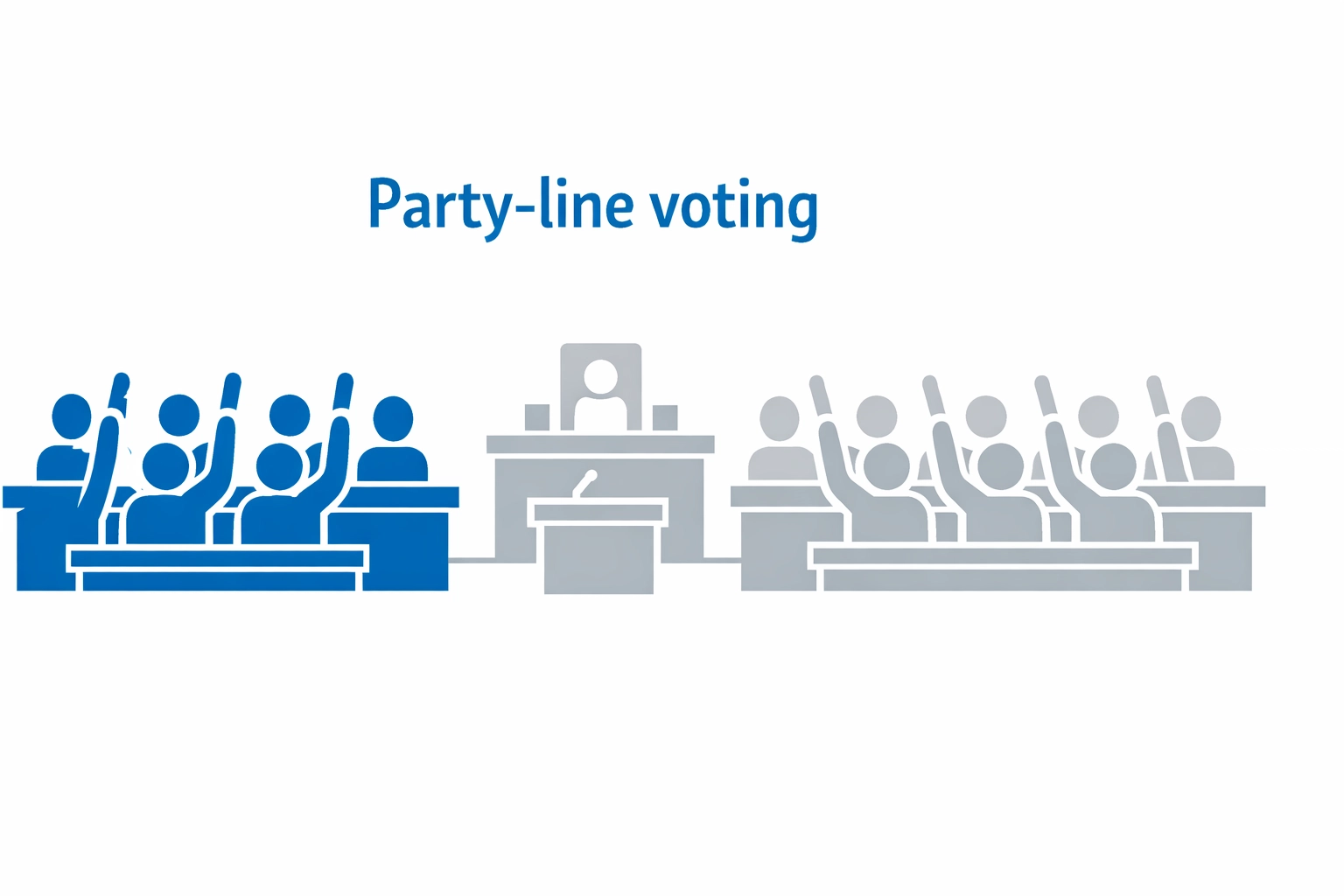
Both omnibus bills and "on division" votes are complicated by party loyalty. Most MPs vote with their party leadership. If a party leader says to vote "yes" on a massive omnibus bill, the MPs usually follow orders, even if they have personal concerns about specific sections of the law. The final record shows a united party, but it hides the individual opinions of the MPs.
The PolicyShift Solution
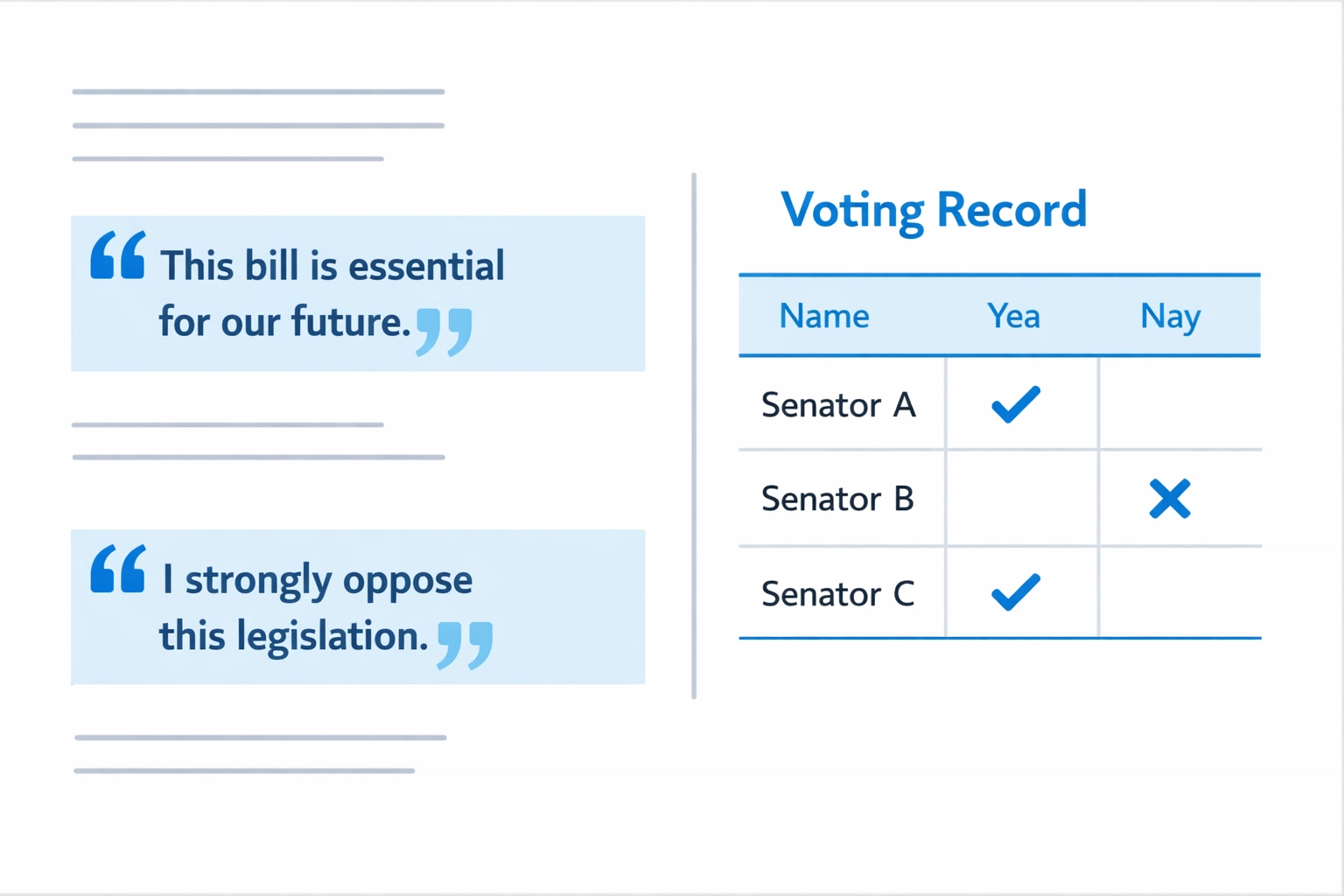
This is why PolicyShift does more than just track votes. We track what MPs say in their own words using quotes from published news articles. These quotes provide the context that a vote record misses. For example, an MP might vote "yea" on an omnibus bill but tell a journalist they strongly oppose one specific section of it.
By looking at both the vote and the direct quotes, you get a complete picture. You can see how they participated in the official process and what they actually believe about the issues that matter to you.
Holding MPs Accountable
Next time you check your MP's position on PolicyShift, look at their votes, but always read their statements. Look for the details that a simple "yea" or "nay" might hide. This is the only way to ensure true accountability and transparency in Canadian politics.